1930er Hellerkunst: Schmales Rotkäppchen auf grünem Blumensockel 26 cm
1930s Hellerkunst: Slim Little Red Riding Hood on Green Flower Base | German Wall Figure Märchen-Holzbild
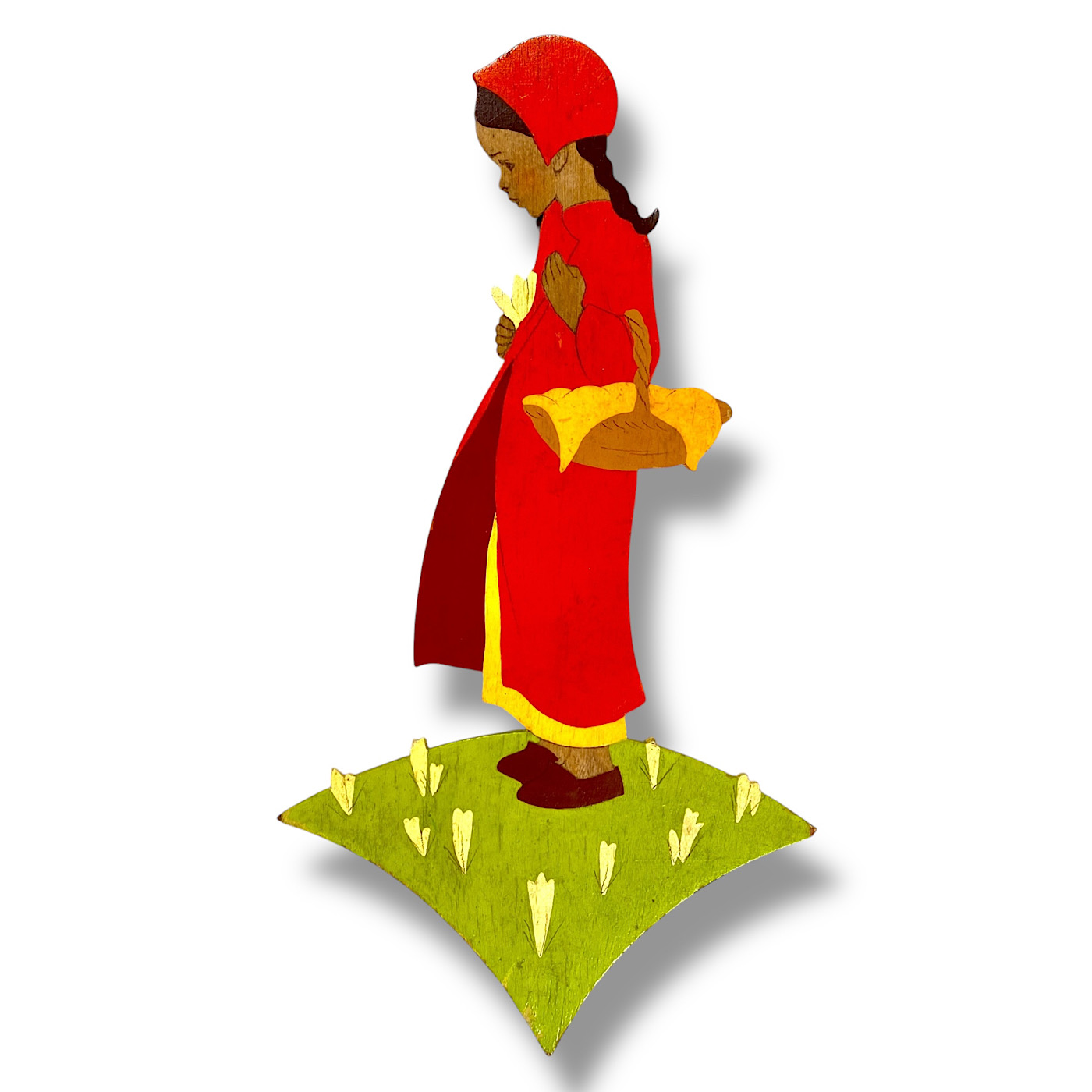
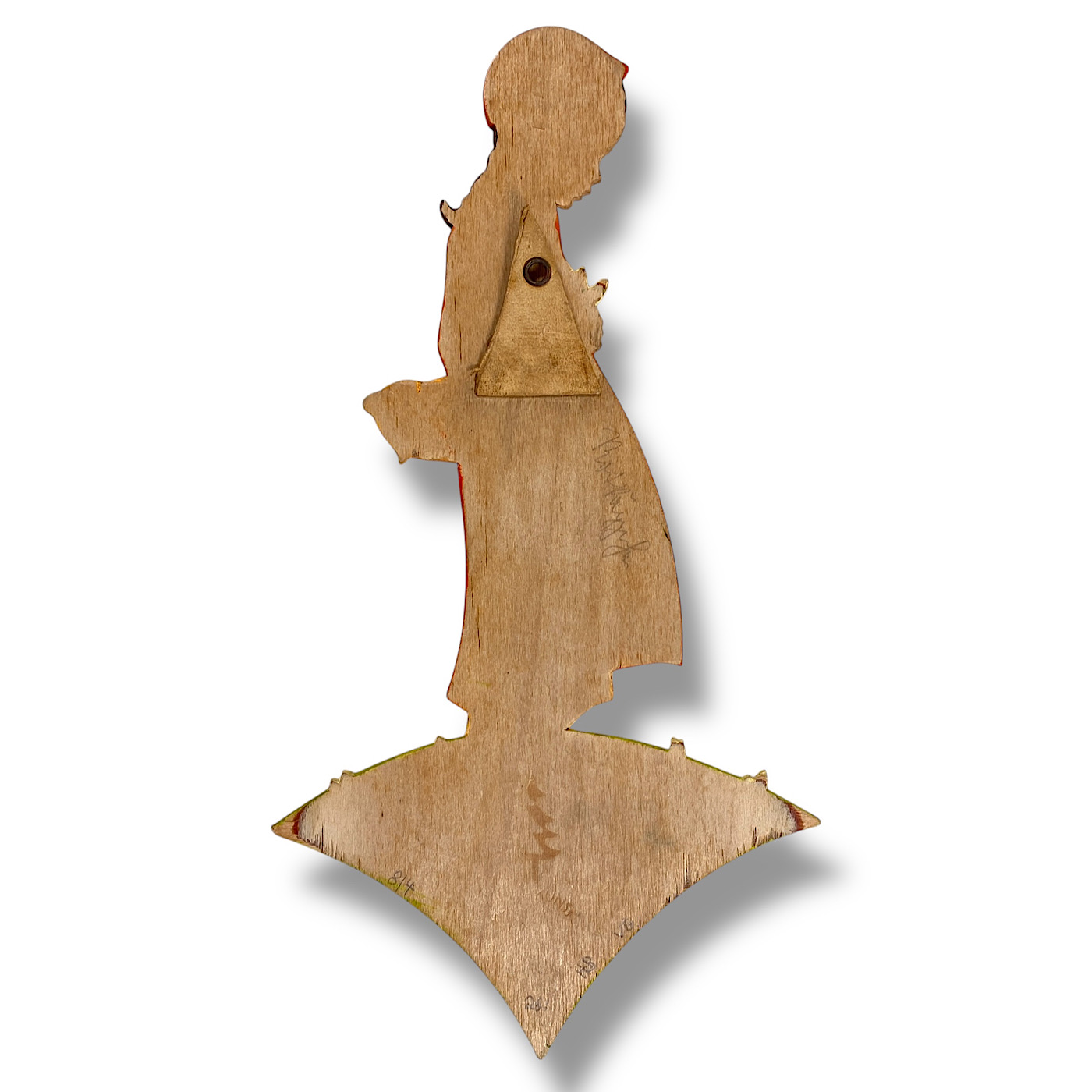
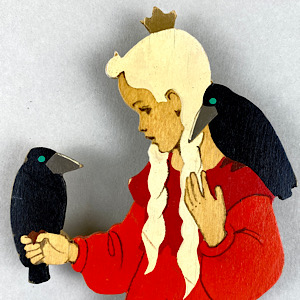
1930s Hellerkunst: Slim Little Red Riding Hood on Green Flower Base | German Wall Figure Märchen-Holzbild
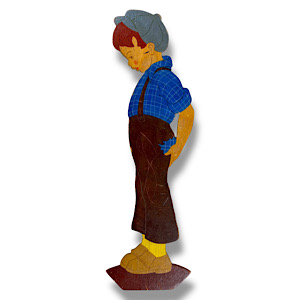
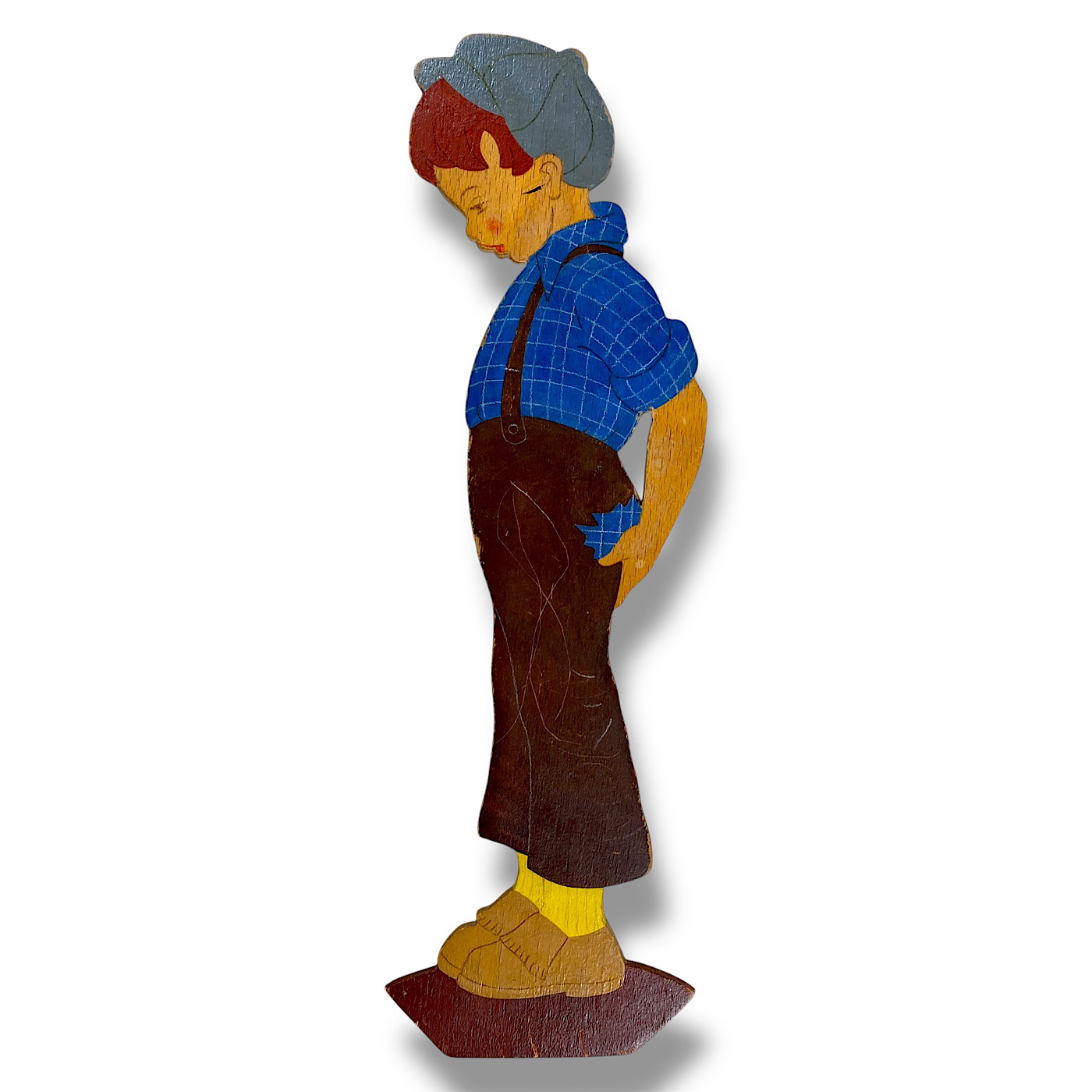
1930er Die Kinderstube: Großer zarter Junge mit zerrissenem Hosenboden 27cm [EN] Antique Large Delicate Boy with Torn Seat of Pants (Märchen-Holzbild, German Wall Figure)
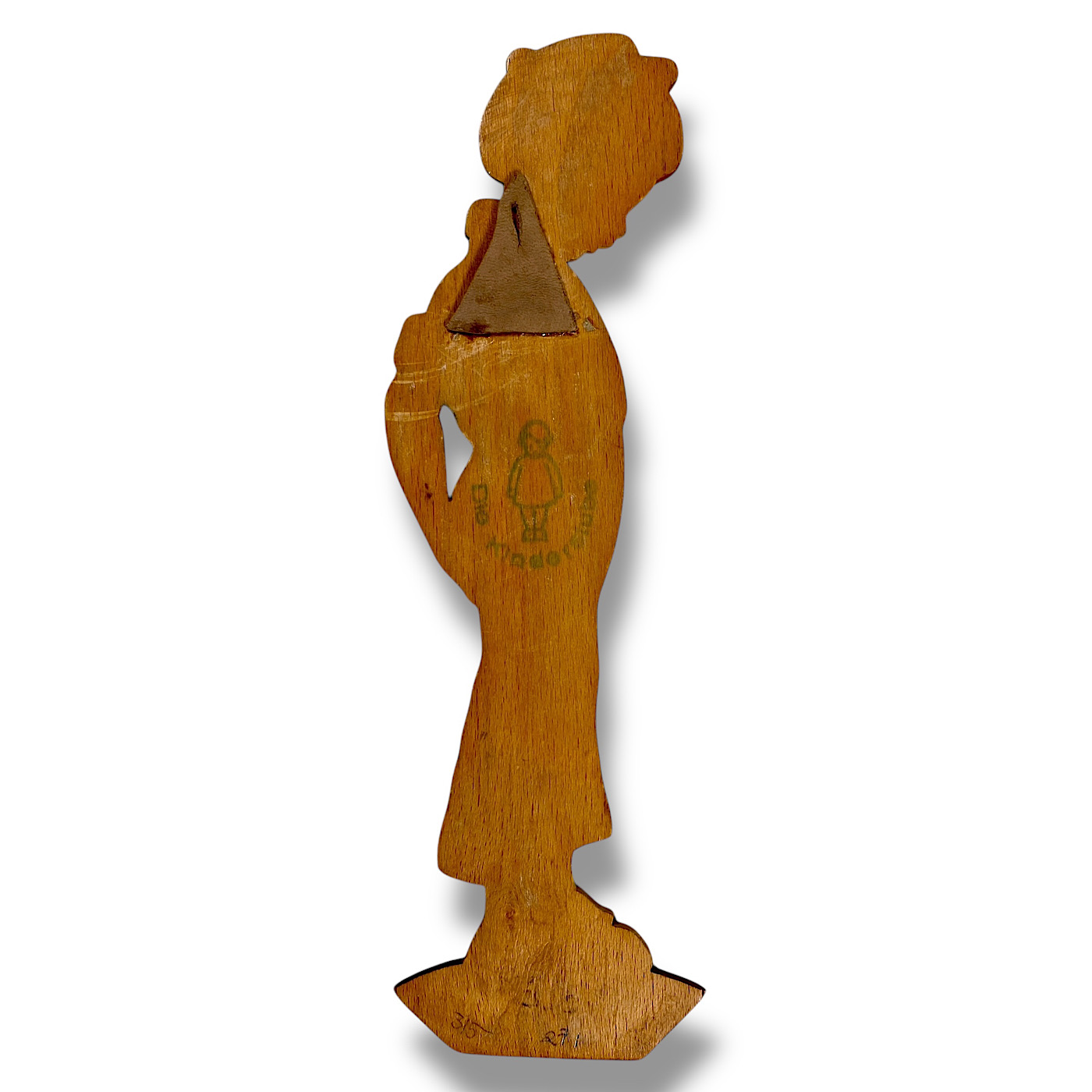
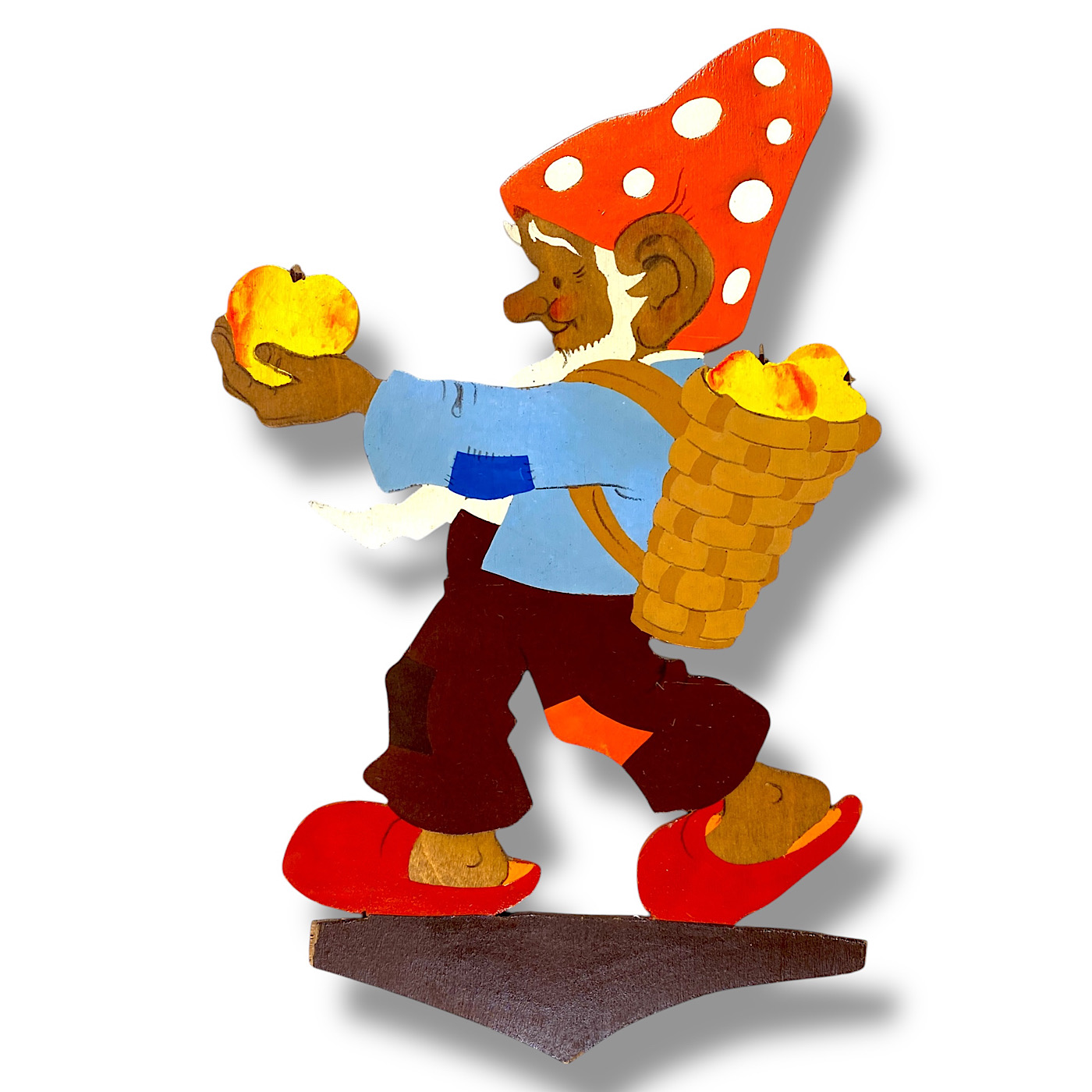
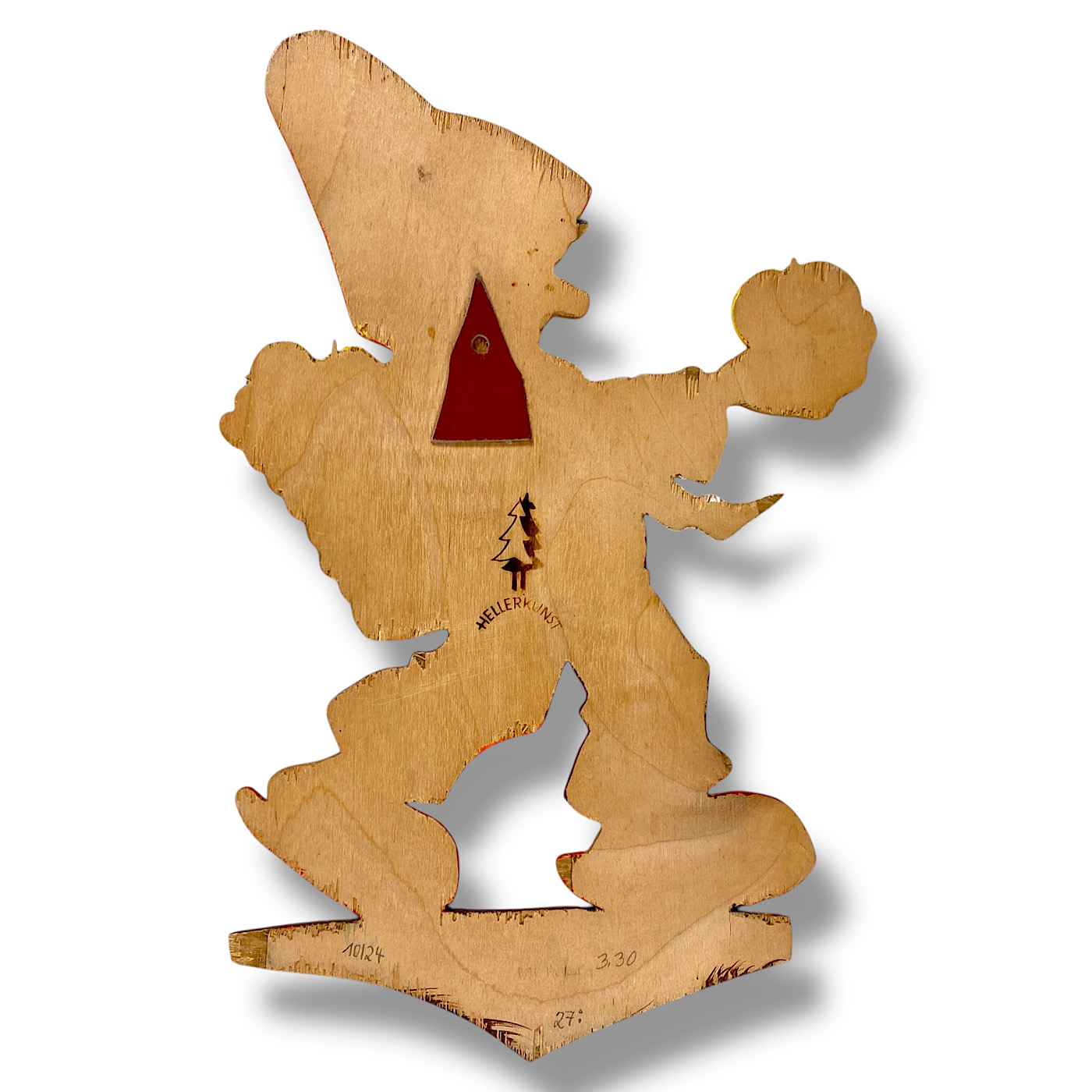
1940s Hellerkunst: Early Autumn Dwarf with Fly Agaric Hat | German Wall Figure Märchen-Holzbild
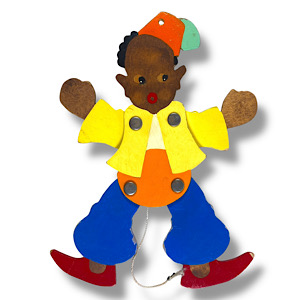
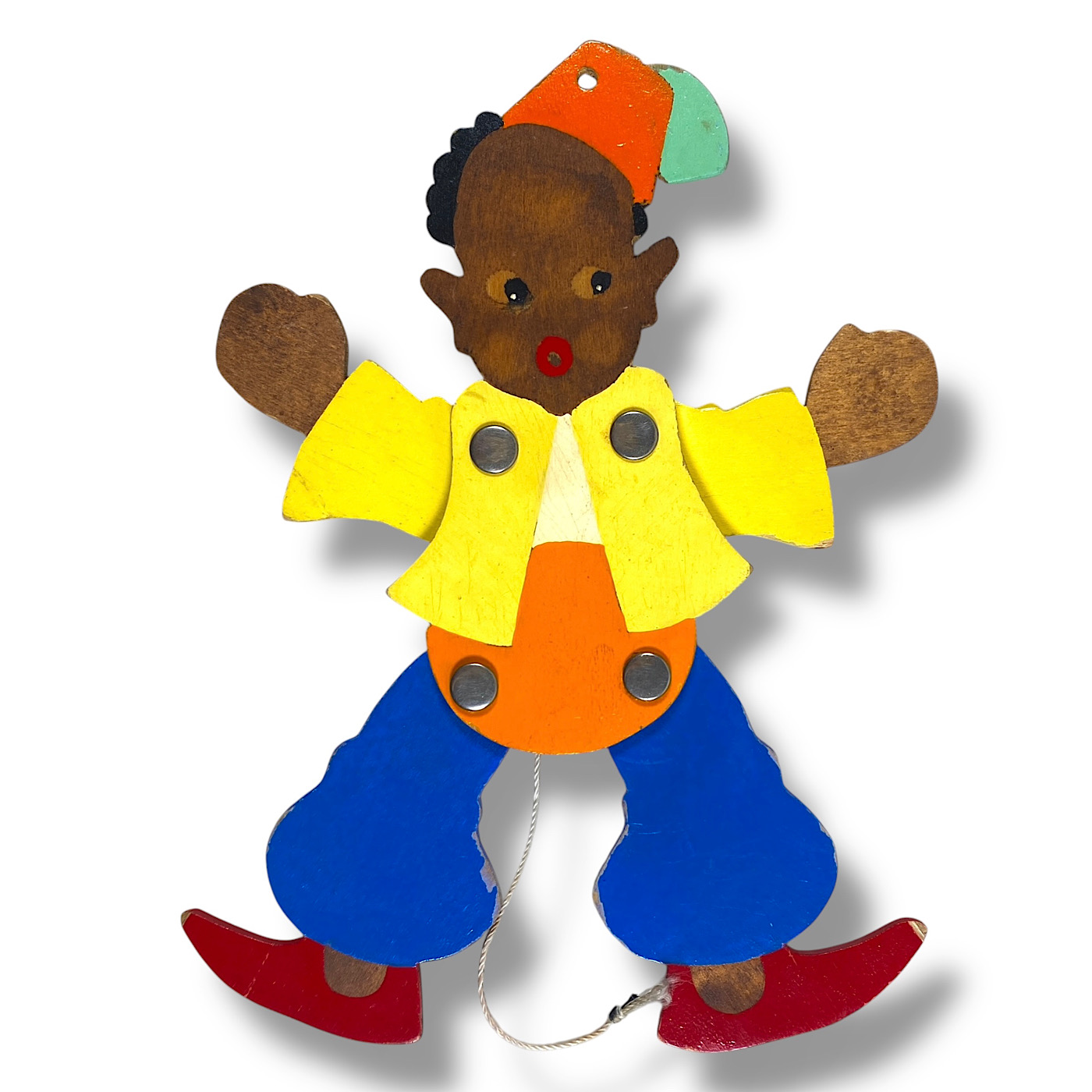
1940s Hellerkunst: Traditional Little Muck with Oriental Fez | Jumping Jack Hampelmann

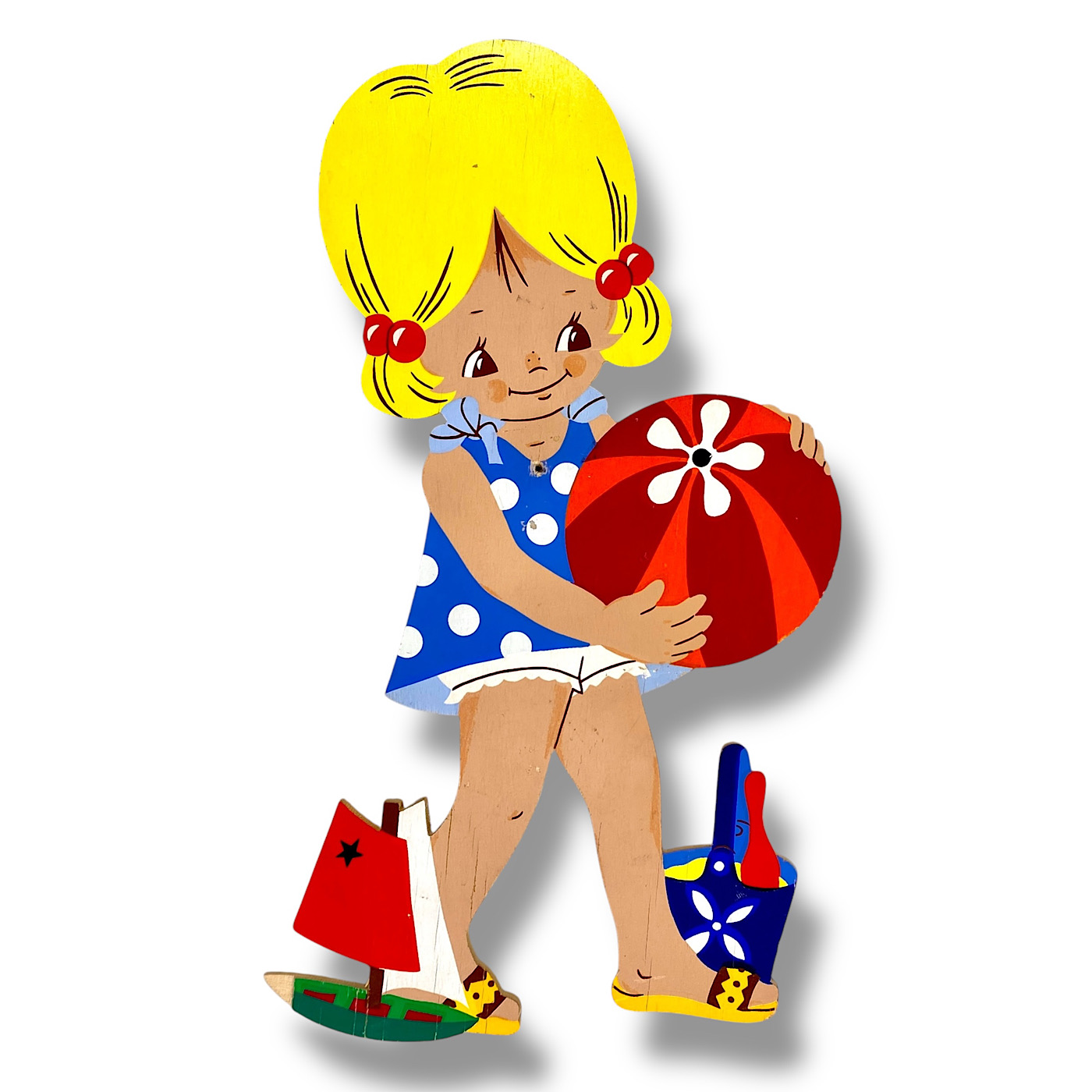
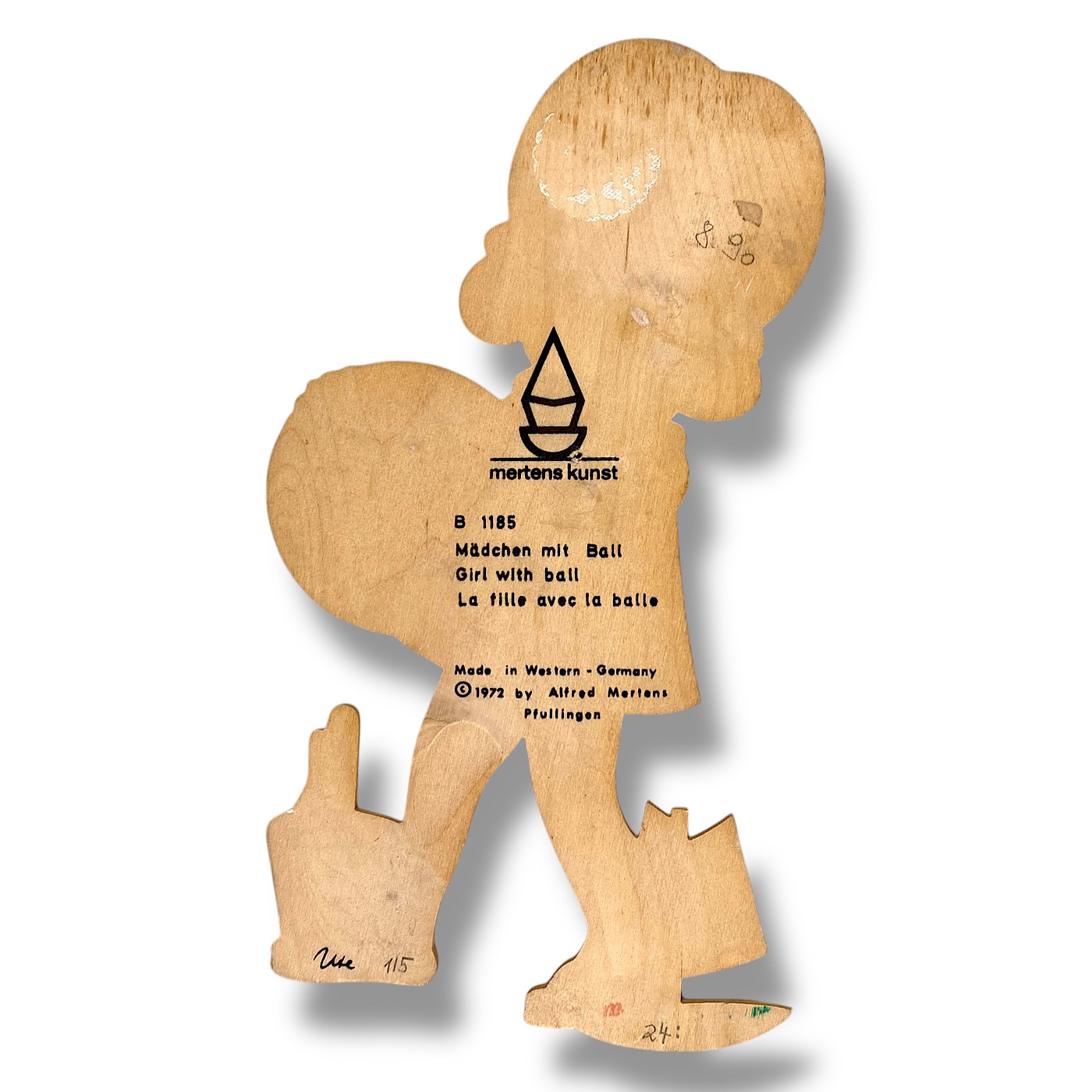
© 1972 Mertens-Kunst Child: Beach Girl with Cherry Hair Ribbons | German Wall Figure Märchen-Holzbild
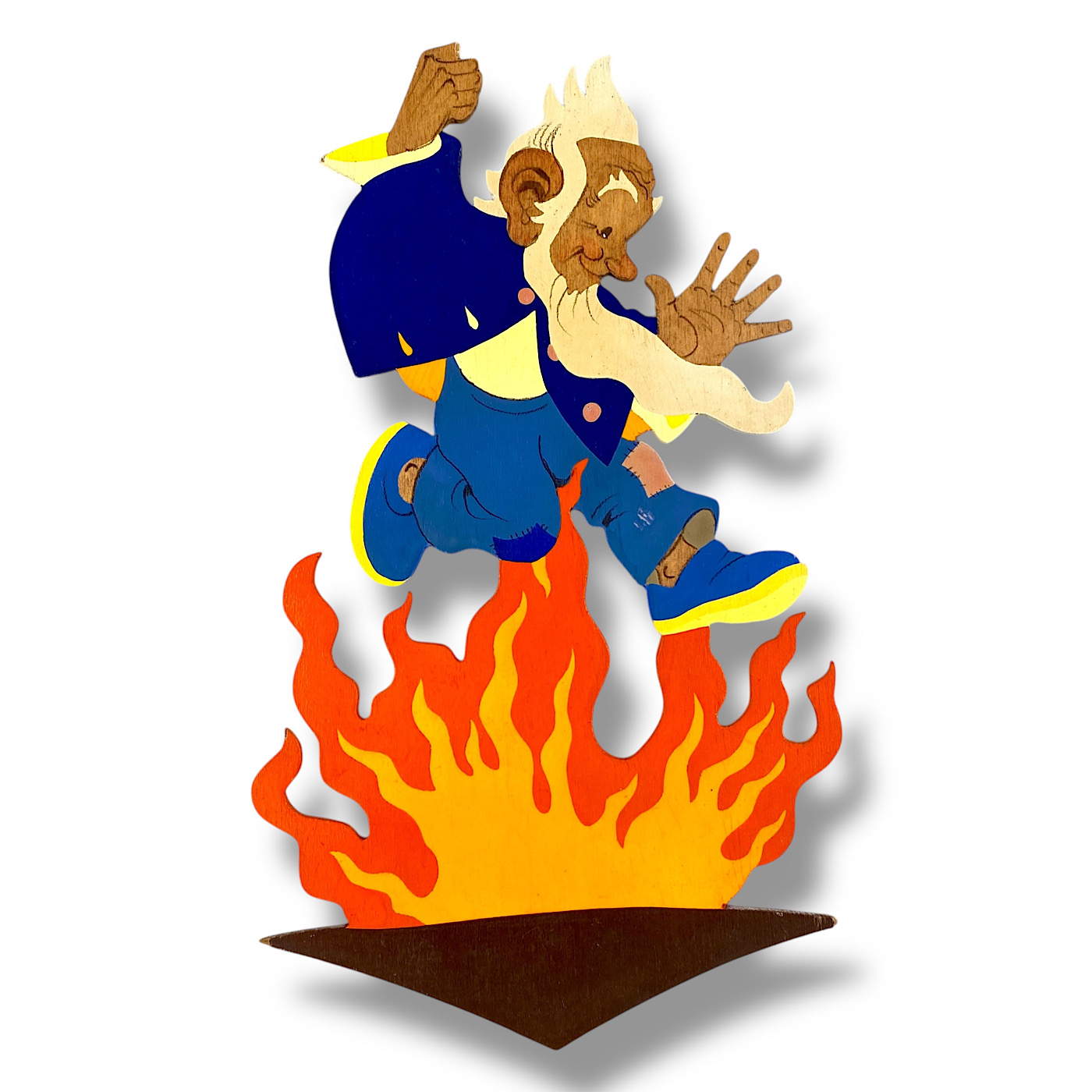
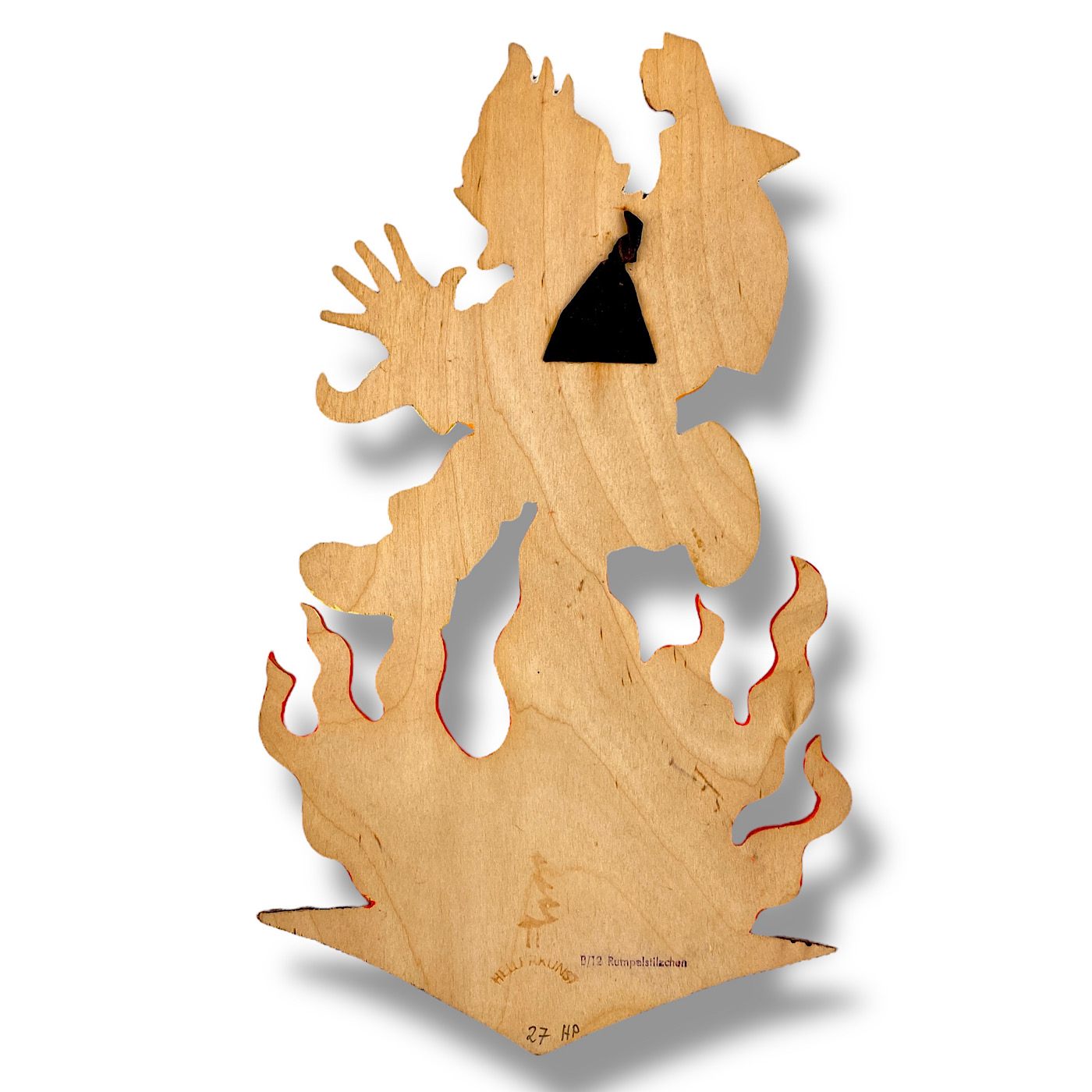
1940s Hellerkunst: Wild Rumpelstiltskin Hovering above the Fire | German Wall Figure Märchen-Holzbild
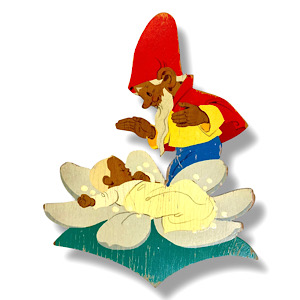
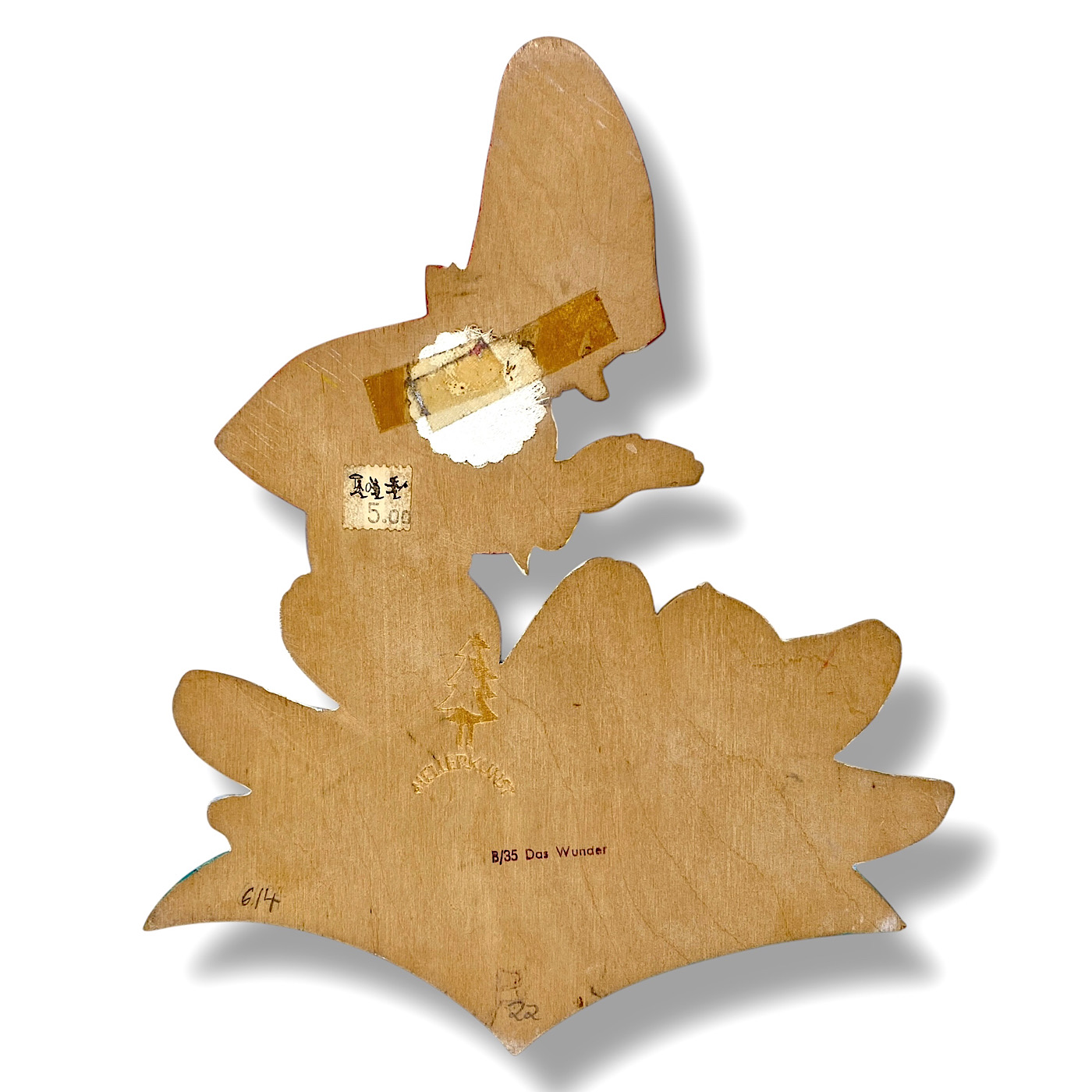
1960s Hellerkunst: „The Miracle“ with Dwarf and Water Lily Baby | German Wall Figure Märchen-Holzbild

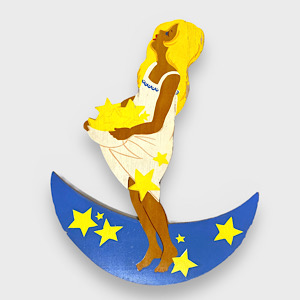
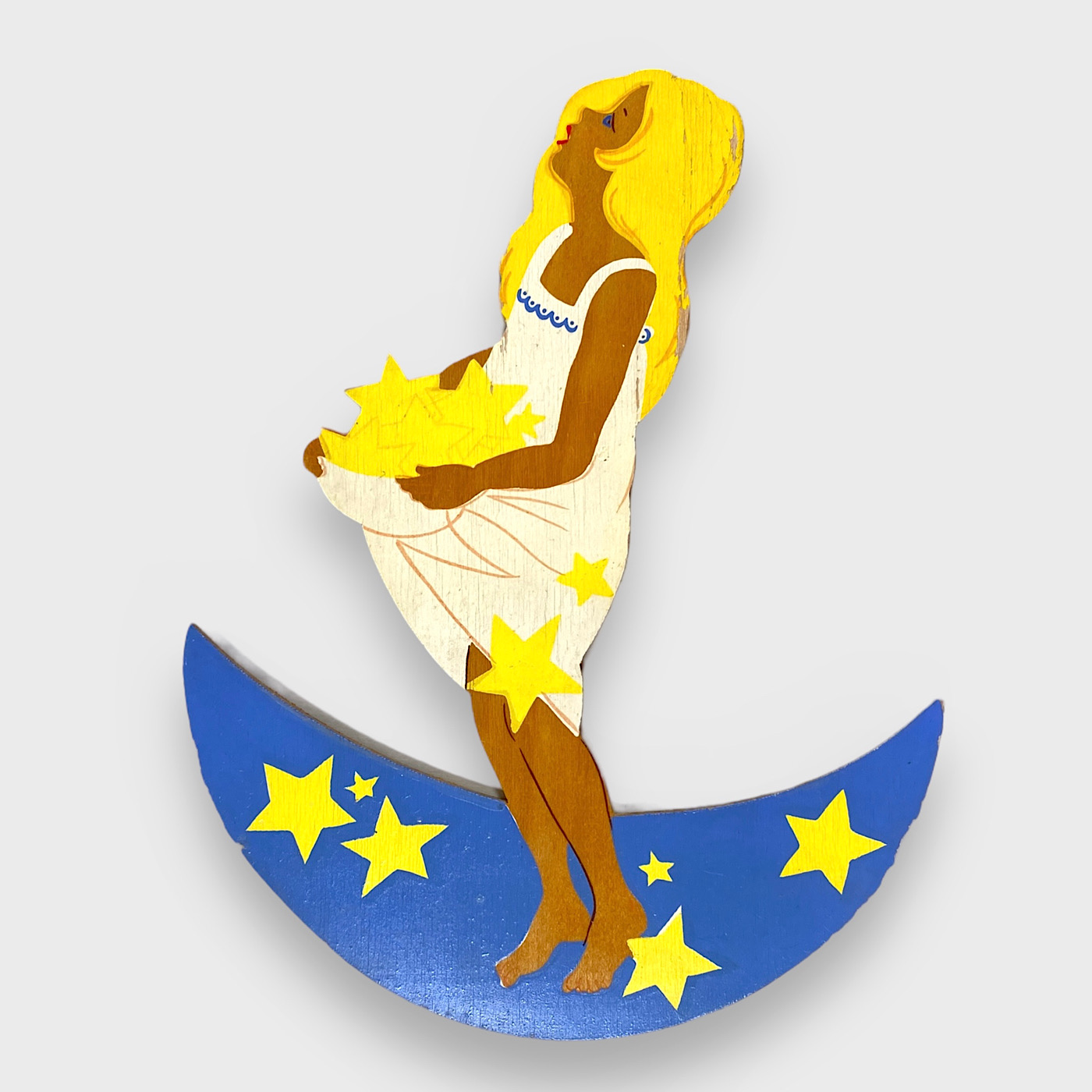
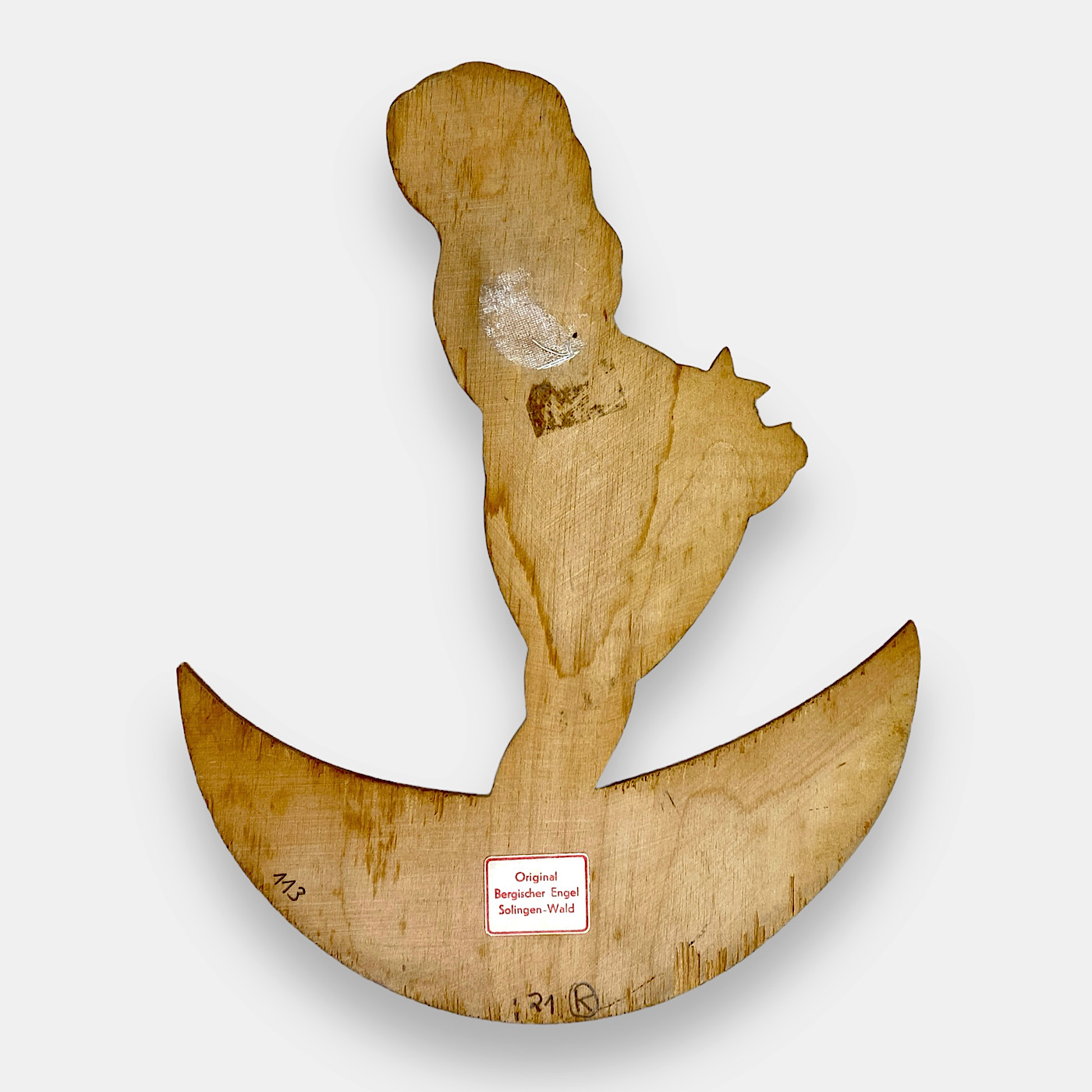
1950er Original Bergischer Engel: Spitzenhemd-Sterntaler auf blauem Halbmond, 21cm [EN] Star Money Girl on Blue Crescent Moon
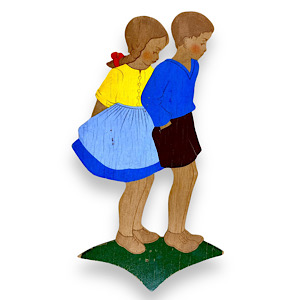
1930s Alfred Mertens Titelstempel: Hansel and Gretel with yellow blouse | German Wall Figure Märchen-Holzbild


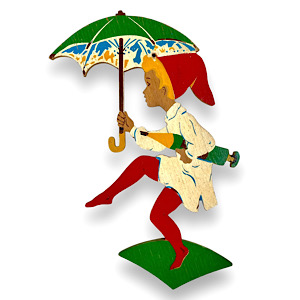
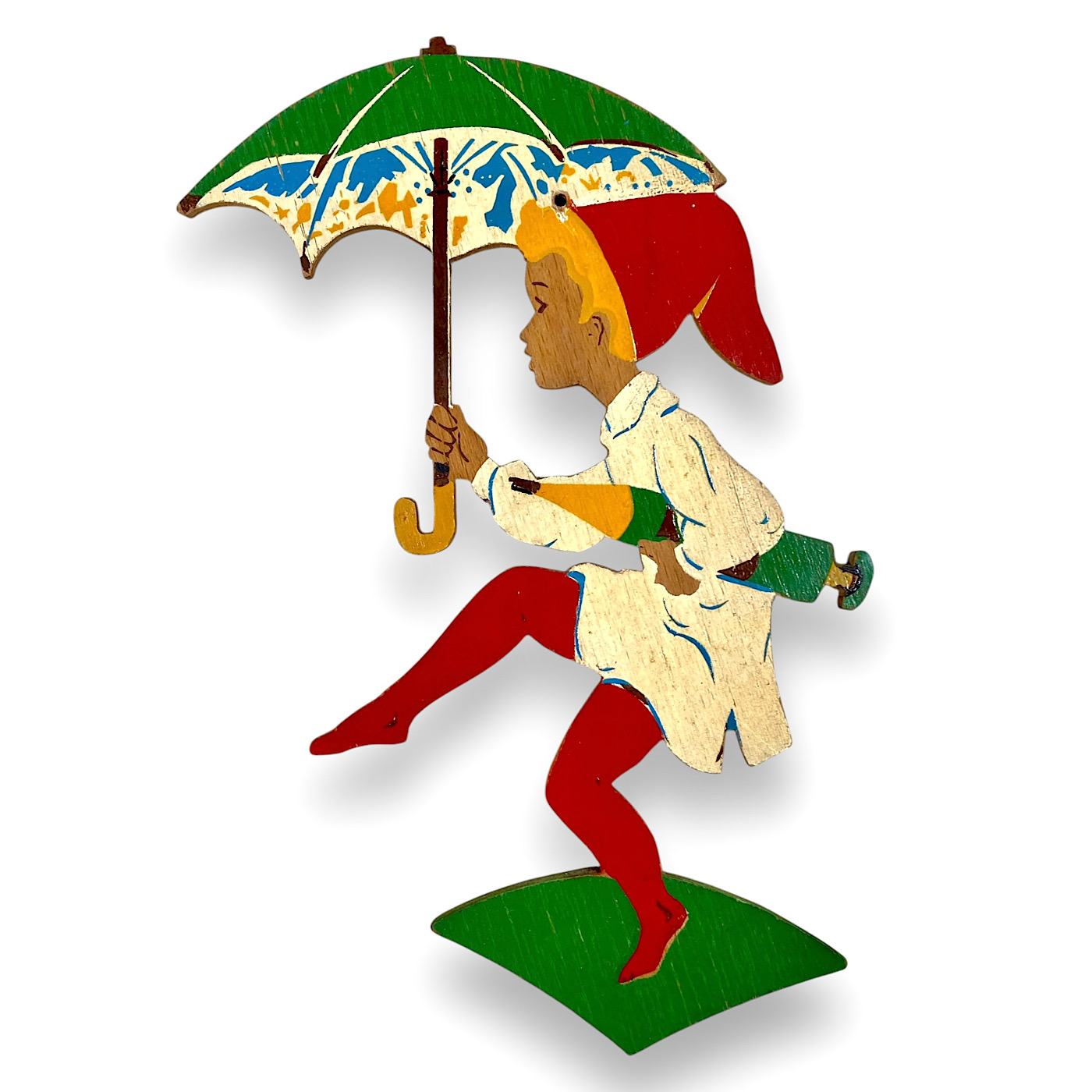
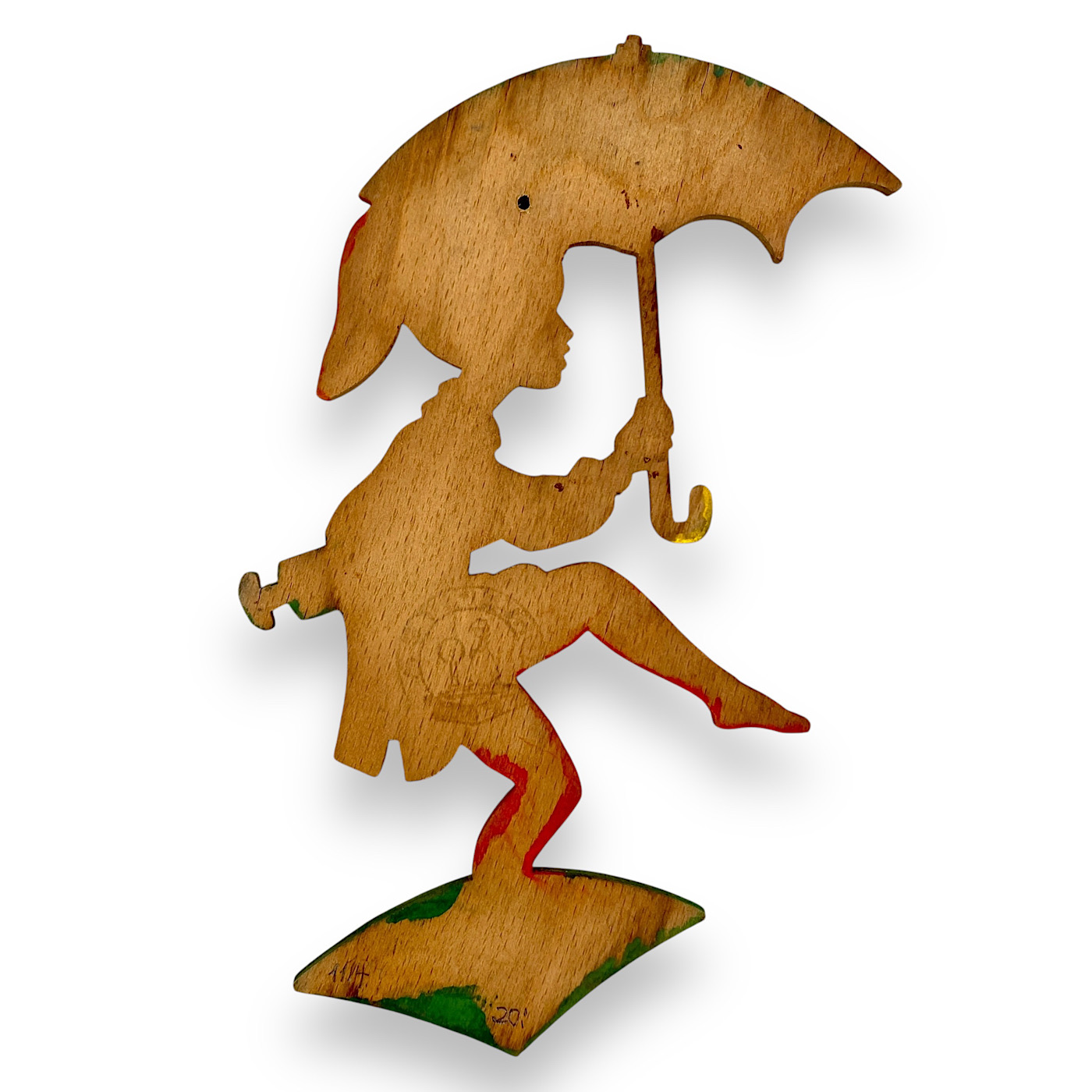
1940er Asti-Kunst: Dänischer Sandmann Ole Lukøje/Ole Augenschließer mit Spritze und Schirm, 20 cm, Märchen-Holzbild [EN] 1940s Asti-Kunst: Danish Sandman Ole Lukøje/Ole Eye-closer with Syringe and Umbrella, 20 cm, Danish Wall Figure